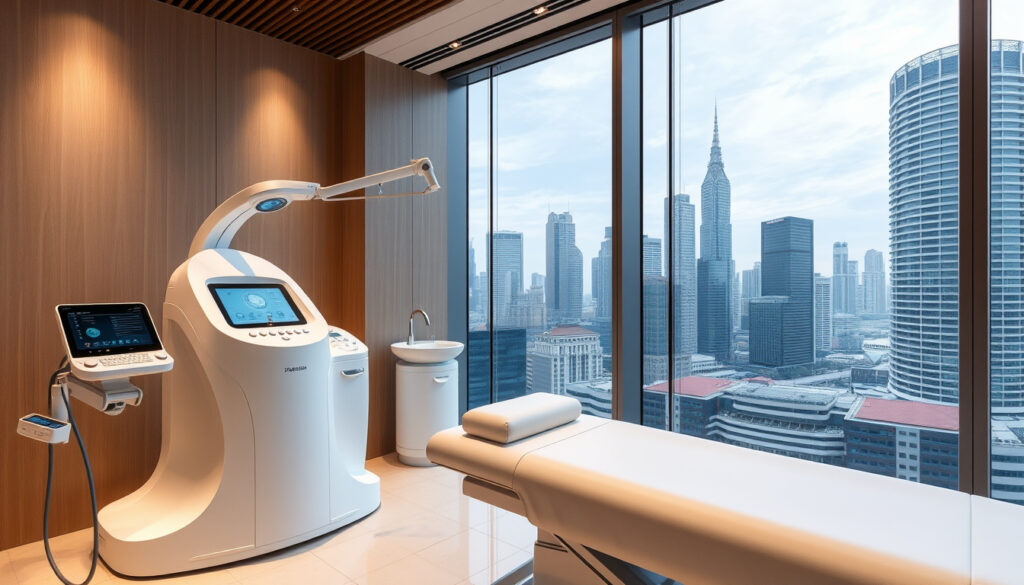
Body Contouring Singapore: Costs & Best Procedures 2025
If you’ve been trying to shift stubborn fat that just won’t budge with diet and exercise, body contouring treatments in Singapore promise a solution — but the options can feel overwhelming. This guide compares the five leading non-surgical techniques against surgical liposuction, using clinic-published costs and clinical evidence to help you decide.
Cost of fat freezing per session: SGD $500 – $1,000 · Cost of full body liposuction: SGD $15,000 · Number of top non‑surgical treatments listed (2025): 5
Quick snapshot
- Non-invasive body contouring can permanently destroy fat cells in treated areas (EEVA Medical Clinic, Singapore clinic guide).
- CoolSculpting is FDA‑cleared for fat reduction (Cutis Laser Clinics, Singapore dermatology clinic).
- Full body liposuction in Singapore costs around SGD 15,000 (EEVA Medical Clinic, Singapore clinic guide).
- Long‑term (10+ year) efficacy of microwave‑based treatments like Onda Pro.
- Whether celebrity endorsements indicate superior efficacy over other methods.
- Exact patient satisfaction rates across different Singapore clinics.
- Maintenance sessions may be needed every 6–12 months to sustain results (common recommendation, no specific cited study).
- Most patients see visible results 2–3 months after a course of treatments (EEVA Medical Clinic, Singapore clinic guide).
- Advances in combination therapies (e.g., CoolSculpting + Emsculpt) are growing in Singapore (Cal SG, Singapore beauty blog).
- More personalised treatment planning using AI is expected. (Cal SG, Singapore beauty blog)
Five key facts summarise the pricing and regulation landscape for Singapore patients.
| Fact | Value |
|---|---|
| FDA clearance for fat reduction | CoolSculpting (cryolipolysis) is FDA‑cleared. |
| Average cost of non‑surgical fat freezing | SGD $500 – $1,000 per session |
| Average cost of full body liposuction | SGD $15,000 |
| Number of top non‑invasive treatments listed in 2025 guide | 5 |
| Typical number of sessions for fat freezing | 3–6 |
Does body contouring actually work?
How does non‑invasive body contouring reduce fat?
- Cryolipolysis (fat freezing) exposes fat cells to controlled cooling, causing them to crystallise and die. The body then naturally eliminates these cells over weeks (EEVA Medical Clinic, Singapore clinic guide).
- HIFEM technology (used in Emsculpt) induces supramaximal muscle contractions that simultaneously break down fat and build muscle (Cal SG, Singapore beauty blog).
- Microwave devices like Onda Pro deliver targeted heat to destroy fat cells without damaging surrounding tissue (SL Clinic, Singapore clinic).
What clinical evidence supports body contouring?
- Clinical data from Cutis Laser Clinics shows that certain non‑invasive devices can reduce up to 27% of stubborn fat and provide 18% more skin coverage (Cutis Laser Clinics, Singapore dermatology clinic).
- Most patients see visible improvement after 2–3 treatment sessions, with final results appearing within 3 months (EEVA Medical Clinic, Singapore clinic guide).
Which treatments have the highest success rate?
- CoolSculpting has the strongest FDA clearance and longest track record for non‑invasive fat reduction.
- Emsculpt is best for patients who want both muscle toning and fat reduction.
- Onda Pro is effective for smaller, fibrous areas like arms or flanks.
While FDA clearance adds credibility, real‑world results depend heavily on patient selection and provider skill. A clinic with experienced practitioners will consistently outperform one with newer equipment but less training.
The implication: non‑invasive treatments work best for people who are already close to their ideal weight — they are reshaping tools, not weight‑loss solutions.
What is the most effective body contouring procedure?
CoolSculpting vs Emsculpt vs Onda Pro: which is best?
Six features across the five leading non‑surgical treatments reveal clear differences in technology, cost, and target areas.
| Feature | CoolSculpting | BTL Emsculpt | Onda Pro | CoolShape | LPG Endermologie |
|---|---|---|---|---|---|
| Technology | Cryolipolysis (cold) | HIFEM (electromagnetic) | Microwave (heat) | Cryolipolysis (cold) | Mechanical stimulation |
| FDA clearance | Yes | No (CE‑marked) | No (CE‑marked) | No (CE‑marked) | No |
| Cost per session (SGD) | ~1,000 | 800–1,200 | 700–1,000 | ~900 | 150–250 |
| Sessions needed | 1–3 | 4–6 | 3–5 | 2–4 | 6–10 |
| Main targets | Abdomen, thighs, flanks | Abdomen, buttocks | Arms, thighs, abdomen | Abdomen, love handles | Thighs, buttocks, abdomen |
| Downtime | None | None | None | None | None |
Effectiveness based on fat reduction percentage and muscle toning
- CoolSculpting typically achieves 20–25% fat reduction in treated areas after one session (Cutis Laser Clinics, Singapore dermatology clinic).
- Emsculpt builds muscle while reducing fat: one study showed a 16% increase in muscle thickness and 19% fat reduction after 4 sessions (cited by Cal SG, Singapore beauty blog).
- Onda Pro offers uniform heating that can reduce fat by up to 30% in targeted zones according to manufacturer data (not independently verified).
The pattern: no single treatment dominates across all metrics — the best choice depends on whether the patient prioritises fat loss, muscle tone, or cellulite reduction.
How much is full body liposuction in Singapore?
Breakdown of liposuction costs by number of areas
- Small area (e.g., chin or knees): SGD 3,000 – 8,000 (Allure Plastic Surgery, Singapore plastic surgery clinic).
- Medium area (e.g., abdomen or thighs): SGD 10,000 – 15,000.
- Full body (five or more areas): around SGD 15,000 (EEVA Medical Clinic, Singapore clinic guide).
- Tumescent liposuction per area: SGD 4,500 – 10,500 (Dr Marco, Singapore plastic surgeon).
Comparing surgical vs non‑surgical costs
- Non‑surgical treatments: SGD 500 – 1,500 per session, with total course costs ranging from SGD 1,500 – 2,800 (EEVA Medical Clinic guide).
- Surgical liposuction: typically SGD 10,000 – 15,000 for multiple areas (Polaris Plastic Surgery, Singapore plastic surgery clinic).
- Non‑surgical full‑body courses can reach SGD 26,000 if multiple treatments are combined (SkinRev, Singapore aesthetic clinic).
Non‑surgical costs can add up fast. A full course of five fat‑freezing sessions at SGD 1,000 each equals SGD 5,000 — still far less than surgical liposuction, but not pocket change. Patients needing multiple body parts may find surgery more cost‑effective in the long run.
The catch: the apparent price advantage of non‑surgical treatments narrows when you factor in the number of sessions required for noticeable results.
How long does body contouring last?
Does fat return after body contouring?
- Fat cells destroyed by cryolipolysis or microwave energy are permanently removed — they do not grow back (Cutis Laser Clinics, Singapore dermatology clinic).
- However, remaining fat cells can expand if a patient gains weight. Stable weight is essential for long‑lasting results.
- Long‑term (10+ year) data specifically for microwave and HIFEM treatments remain limited.
Maintenance treatments required
- Most clinics recommend maintenance sessions every 6–12 months to sustain results, especially if the patient’s weight fluctuates.
- For CoolSculpting, some patients need only 1–2 touch‑ups after the initial course.
- Surgical liposuction results are more permanent, but weight gain can alter the contour (Beauty Insider Singapore guide).
The trade-off: permanent fat removal is real, but it only works if the patient commits to maintaining a stable weight. A 5‑kg gain can undo much of the visible improvement.
What are the disadvantages of body contouring?
Side effects of non‑invasive treatments (redness, swelling, numbness)
- Common side effects include temporary redness, swelling, bruising, and numbness in the treated area, usually resolving within days to weeks (EEVA Medical Clinic, Singapore clinic guide).
- Rare side effects include paradoxical adipose hyperplasia (fat cells enlarge instead of shrinking) with cryolipolysis.
- Onda Pro may cause mild burns if not properly calibrated.
Risks of surgical liposuction (infection, contour irregularities)
- Surgical liposuction carries risks of infection, bleeding, and contour irregularities (Allure Plastic Surgery, Singapore plastic surgery clinic).
- Scarring is minimal but possible.
- Anaesthesia complications, though rare, are more serious than any side effect of non‑surgical methods.
The downsides of body contouring often surprise patients who assume non‑surgical means risk‑free.
Upsides
- Permanent fat cell destruction in treated areas
- No downtime for non‑surgical options
- Noticeable results within 2–3 months
- Can target stubborn fat pockets resistant to diet and exercise
Downsides
- Not a weight‑loss solution — ineffective for obese patients
- Multiple sessions needed, which increases total cost
- Temporary side effects (swelling, numbness)
- Weight gain can diminish results
- Surgical liposuction carries infection and scarring risks
Why this matters: patients who expect body contouring to replace diet and exercise will be disappointed. It is a refinement tool, not a weight‑loss shortcut.
Who is a good candidate for body contouring?
BMI requirements for non‑invasive vs surgical
- Most Singapore clinics recommend a BMI below 30 for non‑invasive treatments, and ideally below 27 (EEVA Medical Clinic, Singapore clinic guide).
- Surgical liposuction may be considered for patients with a BMI up to 35, but the risk of complications rises significantly.
- Patients with high BMI are better served by lifestyle changes or bariatric surgery before considering contouring.
Patients with loose skin after weight loss
- Body contouring can help with residual fat pockets, but it does not tighten loose skin significantly (SL Clinic, Singapore clinic).
- For sagging skin after massive weight loss, surgical lifting procedures (e.g., tummy tuck) may be more appropriate.
- Good skin elasticity improves the outcome of any body contouring procedure.
The profile of an ideal candidate: someone at a stable, healthy weight with localised fat deposits who has realistic expectations about what contouring can achieve.
What we know and what remains unclear
Confirmed facts
- Non‑invasive body contouring can permanently destroy fat cells in treated areas (EEVA Medical Clinic, Singapore clinic guide).
- CoolSculpting is FDA‑cleared for fat reduction in specific areas (Cutis Laser Clinics, Singapore dermatology clinic).
- Full body liposuction in Singapore costs around SGD 15,000 (EEVA Medical Clinic, Singapore clinic guide).
- Fat freezing sessions cost SGD 500–1,000 in Singapore (EEVA Medical Clinic, Singapore clinic guide).
What’s unclear
- Long‑term (10+ year) efficacy of microwave‑based treatments like Onda Pro.
- Whether celebrity endorsements (e.g., Jennifer Aniston) indicate superior efficacy.
- Exact patient satisfaction rates across different Singapore clinics.
- Maintenance sessions may be needed every 6–12 months to sustain results (common recommendation, no specific cited study).
“Certain non‑invasive devices can reduce up to 27% of stubborn fat and provide 18% more skin coverage in clinical studies.”
— Cutis Laser Clinics, Singapore dermatology clinic (source)
“Fat freezing remains one of the most sought‑after non‑surgical body contouring treatments in Singapore because it is safe, requires no downtime, and delivers consistent results.”
— Dr Shane, Singapore aesthetic clinic (source)
For someone weighing SGD 15,000 against SGD 5,000 worth of non‑surgical sessions, the choice is not just about cost — it is about matching the procedure to their body type, lifestyle, and tolerance for risk. The patient who prioritises immediate, dramatic change may accept the downtime and scarring of surgery. The patient who values convenience and low risk will find non‑surgical options more appealing, even if the process takes months.
Related reading: A Guide on Body Contouring Singapore: All You Need to Know · Body Contouring Treatments in Singapore: A Comprehensive Guide
Frequently asked questions
Does Jennifer Aniston do CoolSculpting?
There is no publicly confirmed evidence that Jennifer Aniston has undergone CoolSculpting. Celebrity endorsements of the procedure are not reliable indicators of clinical superiority.
Can body contouring help with weight loss?
No — body contouring is intended for fat reduction and body shaping, not weight loss. It is most effective for patients who are already at or near a healthy body weight.
Is body contouring permanent?
In treated areas, the fat cells are permanently destroyed. However, remaining fat cells can expand if you gain weight, which may alter the overall shape.
How many sessions are needed for visible results?
Most patients see noticeable improvement after 2–3 sessions for non‑surgical treatments. Final results typically appear within 2–3 months after the last session.
What is the difference between body contouring and weight loss?
Weight loss reduces the overall amount of body fat through diet and exercise. Body contouring selectively targets specific areas of fat and does not affect total body weight.
Are there any age restrictions for body contouring?
Most clinics treat patients aged 18 and older. Older patients with good skin elasticity can still achieve good results, but those with very loose skin may need surgical alternatives.
Can I combine different body contouring treatments?
Yes, many Singapore clinics offer combination packages, such as CoolSculpting plus Emsculpt. Combining treatments can address both fat reduction and muscle toning in the same session.
In Singapore, the decision between non‑surgical body contouring and liposuction is clear: for healthy patients with stubborn fat pockets, non‑surgical options like CoolSculpting or Emsculpt offer excellent results with no downtime. For those needing dramatic changes across multiple areas and willing to accept surgical risks, liposuction delivers more immediate, comprehensive reshaping. Choose the path that matches your body, budget, and tolerance for recovery — there is no universal best, only the best fit for you.
More related posts
 Ecommerce Website Design Singapore: Best Agencies & Pricing
 Red Crowns Senior Living Singapore: Cost, Services & Reviews
 Ruhens SG Ubi: Korean Tankless Water Dispenser Guide
 Tiong Bahru Plaza Photos: Stores, Restaurants & Spots
 Dragon Brand Bird Nest: Review, Price & Health Benefits
 Amazfit T-Rex 3 Review: Worth the Hype
 Redmi Pad SE 8.7 Review: Is It Any Good? Specs, Price, and More
 Singapore Zoo Ticket Price 2025: Official Rates & Discounts