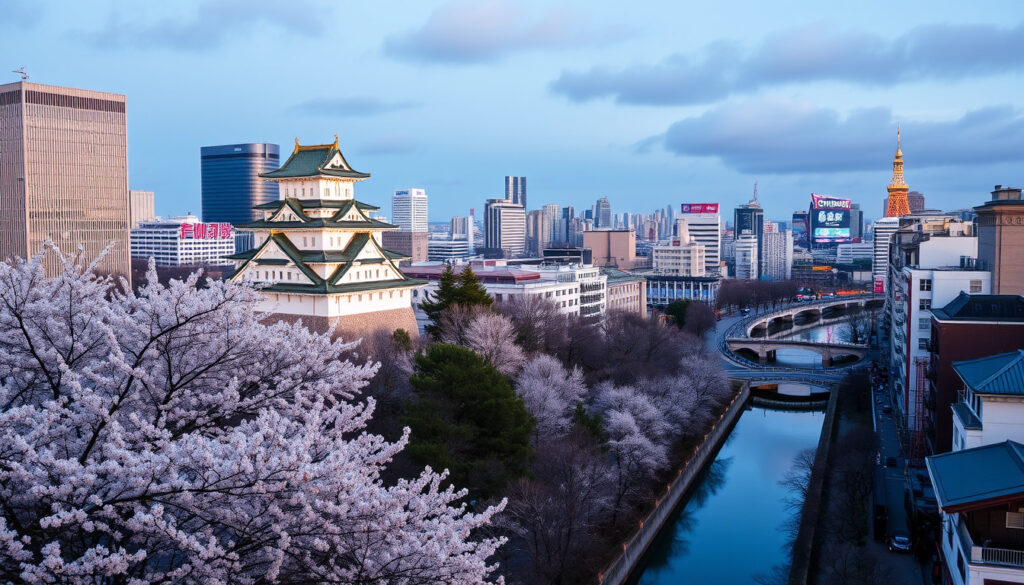
Best Places to Visit in Osaka: Top Attractions and Local Tips
Planning your first trip to Japan often feels like a game of choose-your-own-adventure, especially when the country’s three biggest hubs keep pulling you in different directions. Osaka, with its roughly 2.69 million residents (2020 census) and reputation as Japan’s kitchen, offers a distinctly unfiltered and accessible experience that makes it a compelling anchor for your first journey.
Population: 2.69 million (2020 census) · Osaka Castle Built: 1583 (reconstructed 1931) · USJ Opened: 2001 · Michelin-Starred Restaurants: 80+
Key Facts: Osaka at a Glance
- 2.69 million (2020 census) – City Population census data
- Osaka Castle built 1583 – Osaka Castle official site
- Universal Studios Japan opened 2001 – Universal Studios Japan official site
- 80+ Michelin-starred restaurants – Michelin Guide Osaka
| Feature | Details |
|---|---|
| Population | 2.69 million (2020 census) |
| Osaka Castle | Built 1583, reconstructed 1931 |
| Universal Studios Japan | Opened 2001 |
| Michelin-Starred Restaurants | 80+ |
| Annual Visitors to Osaka Castle | ~2.5 million |
What is the most visited place in Osaka?
The most visited place in Osaka by pedestrian volume is Dotonbori, the neon-lit canal district that draws millions annually for its street food and entertainment. It outpaces even Osaka Castle in daily foot traffic, making it the undisputed epicenter of the city’s tourism.
Dotonbori: The Neon Heart of Osaka
- Dotonbori street food is a must-try, with iconic spots like the Glico Man sign and the giant moving crab billboards drawing millions annually – Japan Guide Dotonbori overview.
- The area’s canal-side walkways are packed with food stalls offering takoyaki (octopus dumplings) and okonomiyaki (savory pancakes).
- This is the sensory epicenter of the city; the energy is relentless and uniquely Osaka.
The area is best experienced in the evening when the neon signs come alive, creating a theatrical backdrop for a culinary crawl. While it can be crowded—often filled with tourist groups—it remains the definitive urban experience. The key is to go with a plan, but leave room for spontaneous street-side snacking.
Osaka Castle: History and Views
- Built in 1583 by Toyotomi Hideyoshi, the castle is a symbol of Osaka’s historical power – Osaka Castle official site.
- The current structure is a 1931 reconstruction (with a museum inside), but the surrounding park and the view from the top floor offer a tranquil escape.
- It receives ~2.5 million visitors annually, making it a top draw for those wanting history amidst the urban sprawl.
Unlike the fast-paced shrines in Kyoto, Osaka Castle offers a more relaxed, grassy expanse perfect for a picnic or a slow stroll. The interior is a modern museum, which can feel less authentic, but the panoramic view over the city’s skyline is worth the elevator ride.
Why this matters: It grounds your Osaka trip in history, reminding you that before the high-rises and theme parks, this was the political heart of Japan.
Universal Studios Japan: Top Family Attraction
- Opened in 2001, USJ is one of the most visited theme parks in Asia and a major draw for families and pop-culture fans – Universal Studios Japan official site.
- The park is famous for its seasonal events, the Wizarding World of Harry Potter, and the high-thrill Flying Dinosaur roller coaster.
- It’s a large park that requires a full day, often escalating to 8 hours or more of walking.
For many, a first trip to Osaka is synonymous with spending at least one day here. While it’s not a “cultural” experience, it’s a masterclass in Japanese efficiency and hospitality. The crowds can be overwhelming, so buying an Express Pass is often essential to avoid multi-hour queues for the headline attractions.
The trade-off: You are trading a day of temple-viewing for a day of engineered fun. For many first-timers, this is a worthy trade, but it means you will need to trim other must-see sights.
What Should I Not Miss in Osaka?
Osaka rewards those who dive deep into its distinct neighborhoods, each with a personality that contributes to the city’s vibrant, unfiltered energy. This isn’t just about ticking off landmarks; it’s about experiencing the kotobuki (celebration) of everyday life in Japan’s second city.
Best Street Food: Takoyaki and Okonomiyaki
Osaka’s street food scene is legendary. Takoyaki (octopus-filled batter balls) and okonomiyaki (savory pancakes layered with meat, seafood, and vegetables) are the two pillars. Kuromon Ichiba Market, a 580-meter shopping street, is the best place to sample both in one morning – Japan Guide Kuromon Market overview.
Kuromon Market: A Food Lover’s Paradise
Known as “Osaka’s Kitchen,” this market has been operating for over 190 years. Vendors sell fresh seafood, wagyu skewers, and seasonal fruit. Cooking classes are available for those who want to learn how to make takoyaki from scratch.
Shinsekai: Retro Charm
The Shinsekai district, built in 1912, preserves Osaka’s pre-war character. The Tsutenkaku Tower and surrounding streets are lined with kushikatsu (deep-fried skewers) restaurants. It’s a working-class neighborhood with a nostalgic, slightly gritty atmosphere.
Sumiyoshi Taisha: Ancient Shinto Shrine
One of Japan’s oldest Shinto shrines, Sumiyoshi Taisha predates Buddhist influence and features a unique architectural style called sumiyoshi-zukuri. The main hall is designated a National Treasure – Sumiyoshi Taisha official site.
“Osaka is where you go to eat until you drop. The street food here isn’t just fuel—it’s entertainment.” – Osaka-based food critic, Kansai Table
Is 3 Days Enough in Osaka?
Three days allows coverage of major attractions without rushing, according to most travel planners surveyed by Bucket List Bri’s itinerary guide. A one-day itinerary is possible but limited to Dotonbori, Osaka Castle, and one neighborhood.
Day 1: Central Highlights
- Morning at Osaka Castle and the Osaka Museum of History.
- Afternoon exploring Shinsaibashi Shopping Arcade.
- Evening in Dotonbori for street food and neon views.
Day 2: Cultural and Historical Sights
- Morning at Sumiyoshi Taisha shrine.
- Afternoon at Kuromon Ichiba Market for lunch.
- Evening in Shinsekai for kushikatsu and Tsutenkaku Tower views.
Day 3: Day Trips or Deeper Dive
- Option A: Full day at Universal Studios Japan.
- Option B: Half-day trip to Nara (deer park and Todai-ji temple) plus afternoon at Osaka Aquarium Kaiyukan.
The implication: Three nights lets you experience Osaka’s day-and-night contrast without the fatigue of city-hopping.
Upsides of Basing in Osaka
- Cheaper accommodation than Tokyo or Kyoto – Japan Travel Base cost comparison.
- Compact city center; most attractions within 20 minutes by subway.
- Best street food in Japan, period.
- Easy day trips to Kyoto (30 min), Nara (45 min), and Kobe (30 min).
Downsides of Basing in Osaka
- Fewer traditional temples and gardens compared to Kyoto.
- Less international flight connectivity than Tokyo’s Narita/Haneda.
- Nightlife-focused; quiet after midnight outside Dotonbori.
- Some areas (Shinsekai at night) feel less polished.
What is Osaka Most Famous For?
Osaka is known as “Japan’s kitchen” – a title earned through its street food culture, vibrant entertainment districts, and the famous Dotonbori canal. The city’s personality is down-to-earth and food-obsessed, a contrast to Tokyo’s scale and Kyoto’s formality – Japan National Tourism Organization Osaka page.
Food Culture and Street Eats
Osaka’s signature dishes include takoyaki, okonomiyaki, and kushikatsu. The city has 80+ Michelin-starred restaurants, but the real culinary heart is in its street stalls and casual diners.
Vibrant Nightlife and Entertainment
Dotonbori is the symbol of Osaka’s entertainment district. The Glico Man sign, the giant crab, and the canal-side walkways create a theatrical atmosphere that draws visitors from around the world.
Historical Landmarks and Castles
Osaka Castle (built 1583) is the city’s most recognizable landmark. The surrounding 106-hectare park is a cherry blossom hotspot and a peaceful retreat from the urban core.
“Osaka doesn’t try to impress you with formality. It wins you over with warmth and a constant invitation to eat something delicious.” – Travel writer, Lonely Planet Japan guide
Osaka vs. Tokyo vs. Kyoto: Which City Is Best for First-Timers?
This is the eternal question for first-time visitors. The answer depends entirely on what you want from your trip. Tokyo offers sheer scale and modernity, Kyoto offers traditional temples and geisha culture, while Osaka is the undisputed center for food and entertainment. The table below breaks down the core differences to help you decide which city aligns with your travel style.
| Feature | Osaka | Tokyo | Kyoto |
|---|---|---|---|
| Vibe | Friendly, food-obsessed, down-to-earth | Futuristic, vast, cosmopolitan | Historic, serene, traditional |
| Top Attraction | Dotonbori & food scene | Shibuya Crossing & culture | Fushimi Inari & temples |
| Cost of Living | Lower than Tokyo | High (hotels & food) | Moderate; ryokan costs can be high |
| Best For | Foodies, nightlife, families (USJ) | First-timers wanting modern Japan | Culture lovers, photographers |
| Walking between sites | Compact; good Metro line | Vast; requires train network mastery | Hilly; requires busses or easy walks |
| Typical Itinerary | 3-4 days to slow down | 5-7 days to explore | 2-3 days for key sites |
If your travel dream is a curated postcard full of shrines, Kyoto is unmatched. If you want nightlife and cutting-edge pop culture, Tokyo is the winner. But if you want the best street food in Japan, a friendlier pace, and a base that feels more relaxed than the capital, Osaka is your answer.
The upshot: Most first-timers shouldn’t skip Osaka entirely; instead, they should allocate the most days here to avoid “temple burnout” and instead enjoy the culinary and entertainment district. Plan to spend less time in Osaka’s castle and more time eating your way through Dotonbori.
What is a Good One-Day Itinerary for Osaka?
A one-day itinerary should focus on central Osaka for efficiency, as attractions cluster within a 3-kilometer radius. Dotonbori is best experienced in the evening, so plan your morning and afternoon for landmarks and markets.
Morning: Osaka Castle and Surrounding Park
Start at Osaka Castle (open 9 AM). Spend 90 minutes exploring the museum and climbing to the observation deck. Walk through the park to the Osaka Museum of History next door for city context.
Afternoon: Kuromon Market and Namba
Take the subway to Namba. Walk through Kuromon Ichiba Market for lunch—sample takoyaki, grilled scallops, and wagyu skewers. Afterward, explore the Shinsaibashi shopping arcade.
Evening: Dotonbori Lights and Food
Cross the Ebisu Bridge to see the Glico Man sign illuminated. Eat your way through the canal-side stalls: okonomiyaki, kushikatsu, and finally, a sweet crepe for dessert.
Logistics: Airport, Hotels, and Getting Around
Getting to Osaka is straightforward, but knowing which airport to use and how the train system works will save you hours. The city’s infrastructure is designed for visitors, but the apparent complexity can be intimidating.
Which Airport Should You Use?
- Kansai International Airport (KIX) is the main international gateway, located on an artificial island about 40 minutes from Namba. It serves most international flights and is the most convenient entry point for Osaka proper.
- Itami Airport (ITM) is primarily for domestic flights, offering connections from places like Tokyo’s Haneda. It is closer to the city center but handles fewer international arrivals.
- Train options: From KIX, you can take the Nankai Airport Express to Namba (money-saver) or the JR Haruka limited express to Tennoji/Shin-Osaka (faster for Shinkansen connections).
For accommodation, think about your itinerary: Namba and Shinsaibashi are the nightlife hubs, while Umeda is great for shopping and train connections. Staying near a station on the Midosuji Line (the main north-south subway line) makes navigation effortless.
Navigating the City: The Osaka Amazing Pass vs. ICOCA
The Osaka Amazing Pass offers unlimited rides on subways and trains, plus free entry to over 40 attractions (including Osaka Castle’s museum and the Umeda Sky Building). For visitors planning to visit multiple paid sights in a day or two, this pass pays for itself.
However, for those who want more flexibility, the ICOCA card is a rechargeable travel card for all transit and most vending machines, acting like a debit card for transit. It doesn’t give you free entry to sights, but it’s usable all over Japan, making it convenient if you plan to hop to Kyoto or Nara.
Best Time to Visit: Weather, Crowds, and Seasons
Your Osaka experience will be profoundly shaped by the season. The city experiences a humid subtropical climate, with hot, humid summers and mild winters. The best times to visit are typically spring (March–May) and autumn (October–November) when the weather is pleasant and the scenery is vivid.
Spring (March–April) and Autumn (October–November): The Sweet Spot
- Peak season: Cherry blossoms in late March/April and fall colors in late November draw massive crowds.
- Pros: Comfortable temperatures (around 15–20°C), ideal for walking through parks like Expo ’70 or the Osaka Castle grounds.
- Cons: High airfare and hotel costs; the streets of Dotonbori are even more packed.
If you hate crowds, these peak periods can feel overwhelming. The “Golden Week” holidays in late April to early May are best avoided due to national holidays.
Summer (June–August): Festivals and Humidity
Summer brings the Tenjin Matsuri (festival) in July, one of Japan’s three major festivals, featuring river cruises and fireworks. However, the heat and humidity are intense (often exceeding 30°C with high humidity). You’ll sweat, but you’ll also find fewer tourists.
Winter (December–February): Fewer Crowds, Bright Lights
Winters are mild (around 5–10°C) but often sunny. The city’s extensive shopping arcades become even more inviting, and the winter illuminations (like the one at Umeda) are stunning. It’s a good budget time to visit as flights are cheaper, and you might even get a dusting of snow in the nearby mountains.
The verdict: For first-timers, aim for the shoulders of spring (late March) and autumn (early November). You risk some rain but avoid the worst of the heat and the most expensive flights.
Itinerary Planning: How Many Days Do You Need?
How long should you stay in Osaka? A minimum of three nights is recommended, but four days provides a thorough glimpse. Many first-time visitors make the mistake of squeezing three nights into Osaka while heading to Kyoto for a day trip—they often miss out on the unique experiences Osaka offers after dark.
- Day 1: Morning at Osaka Castle, afternoon at the Osaka Museum of History, evening in Dotonbori for dinner.
- Day 2: Full day at Universal Studios Japan (pre-book passes).
- Day 3: Day trip to Nara to see the deer and Todai-ji temple, or a half-day trip to the Umeda Sky Building and Kaiyukan Aquarium (if you prefer urban exploration).
- Day 4: Shopping in Shinsaibashi, exploring Kuromon Ichiba Market, and a final tasting of takoyaki before departure.
For first-timers, the biggest mistake is overpacking the itinerary. Instead, choose Osaka as your base and take advantage of its connections—Nara is only 45 minutes away, and Kyoto is just a 15-minute train ride via the special rapid service.
Why this matters: You avoid the need to move hotels and pack/unpack every night. This “hub and spoke” approach is the secret to a relaxing Japan trip.
Where to Avoid Osaka?
Osaka is a generally safe city, but like any large metropolis, it has its subtle quirks. Knowing where to be cautious can ensure your trip remains memorable for the right reasons. While there aren’t any “no-go” zones, being alert in certain areas after dark is wise.
Areas with Higher Crime Rates After Dark
- Shinsekai: This is a retro district with an older, slightly grittier feel. It’s generally safe during the day, but it’s best kept to the food stalls at night when the crowds thin out and the area is less policed.
- Umeda’s Underground: The vast underground malls can be disorienting, but they are not dangerous. However, beware of touts trying to con you into overpriced bars, especially in the Dotonbori and Minami area.
Red-Light Districts to Be Aware Of
The Tobita area in Nishi-ku is a historic red-light district. It’s not dangerous, but it’s confusing for tourists who might wander in unknowingly. Just stay out of the narrow alleys and stick to the main roads.
Avoiding Tourist Traps and Overpriced Spots
The classic “tourist trap” is being led into a small restaurant by a tout with a laminated menu printed in English. These often have high hidden charges. To avoid this, look for spots filling up with locals, and be wary of any place with photos of food on the menu that includes service charges. In Japan, it’s rare to tip, but you might get a bill with a “seating charge” (otoshi) which adds a few hundred yen per person for the welcome appetizer.
all.accor.com, abrummiehomeandabroad.com, andthenimetyoko.com, mileasia.com, fun-japan.jp, tourjapan.jp, reddit.com, kimkim.com, travelandinvest.com, insider.marke-vision.com
Frequently Asked Questions
Is English widely spoken in Osaka?
Basic English is common in tourist areas like Namba and Umeda, but the proficiency is lower than in a place like Scandinavia or Tokyo’s business districts. Most signs in train stations include English, and you will find English menus in most restaurants inside the central tourist zones. Learning a few phrases like “sumimasen” (excuse me) and “arigato” is appreciated and smooths things over significantly.
Should I buy the Osaka Amazing Pass?
It depends on your pace. If you plan to visit more than two paid attractions in a day and ride the subway four times, the pass offers excellent value. However, for the average first-timer who wants to wander without a strict schedule, the pass can actually limit you by pressuring you to follow a set route. ICOCA is the better base solution for pure convenience; the Amazing Pass is only worth it for the hyper-planner.
How do I travel from Osaka to Kyoto?
It’s incredibly easy and fast. The JR Kyoto Line Rapid Service takes approximately 30 minutes from Osaka Station to Kyoto Station for about 570 yen. Alternatively, the Hankyu Railway is cheaper (around 400 yen) and delivers you near the Gion district. The Shinkansen is faster but not worth the extra cost for this short hop.
What is the best time to visit Universal Studios Japan?
Weekdays are significantly better than weekends. Check the USJ app or website for predicted crowd calendars. Off-peak seasons like late November or February see the smallest crowds. Even then, buy the Express Pass for the two or three big rides you want to hit, as standard waits often exceed 60 minutes.
Is Osaka safe for solo travelers at night?
Yes, Osaka is one of the safest cities in the world for solo travelers. Violent crime is extremely low. The main risk is petty theft or drunken encounters in crowded areas. Stick to well-lit streets in Dotonbori, and you’ll have no issues.
Can I see Osaka in one day?
You can see the highlights, but it will be rushed. You could do Dotonbori in the morning, Osaka Castle at noon, and Umeda Sky Building by sunset, but you’ll miss out on the culinary depth and the neighborhood vibes. For a first-timer, consider it a ‘taster’ session to plan your return.
More related posts
 Kids Friendly Restaurant Singapore: Best Family Dining Spots
 SME Motor Pte Ltd – Accident Reporting Centre Singapore
 What to Eat in Singapore: Must-Try Dishes & Hawker Spots
 Lad and Co Menu – No Verified Details in 2024
 Suki-Ya Outlets: SUKIYA Gyudon Chain Guide & Facts
 Bangladesh Women vs India Women: Head-to-Head, Records & Updates
 The Beginning After the End Manga: Status, Chapters & Anime
 You and Everything Else: Review, Ending and Guide