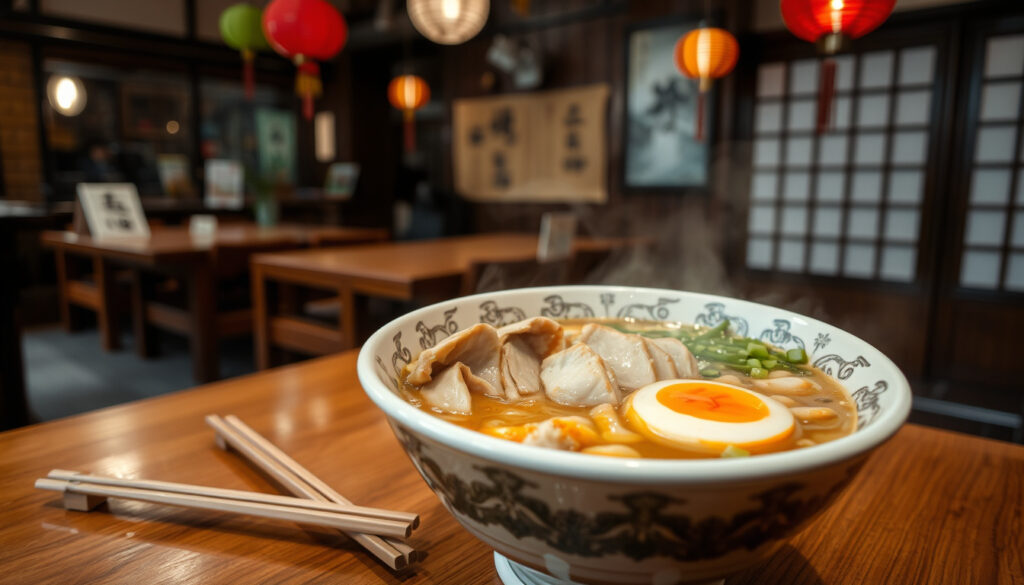
Kyoto Ramen Hachicken Reviews – Menu, Locations and Visitor Feedback
Kyoto Ramen Hachicken has attracted attention from ramen enthusiasts seeking authentic chicken paitan broths. However, a review of available sources reveals an important distinction: the Hachicken ramen brand operates in Bangkok and Singapore, not in Kyoto itself. The concept originated as a sister brand to Hachiki-an, a celebrated Kyoto restaurant established in 1970.
Visitors searching for Hachicken ramen in Kyoto will find the parent restaurant Hachiki-an in the Marutamachi district, which has built its reputation over more than five decades. The ramen spin-off, meanwhile, has expanded to Southeast Asia, with Singapore hosting the brand’s newest outlet as of late 2024.
This guide examines available reviews, menu offerings, and practical information for those interested in experiencing the Hachicken concept, while clarifying the actual locations where the ramen is served.
What Do Reviews Say About Hachicken Ramen?
Early feedback on the Singapore outlet, which opened in December 2024 at Chinatown Point, reveals a divide in visitor opinions. Positive assessments highlight the customizable nature of the broths and the value offered through lunch promotions. One reviewer described a S$7.90 set as “super worth it,” noting the presence of Japanese customers among the clientele.
The spicy chicken karaage consistently earns praise, with reviewers describing the crunch and a balanced profile of sweetness, citrus notes, and numbing heat. The oyako don—a chicken and egg rice bowl—has received recognition as a twice Japan gold award winner, though this item appears primarily on the Singapore menu.
Critical responses tend to focus on broth expectations. Some visitors from Tokyo found the flavors less intense than anticipated, while fans of rich, heavy ramen described certain options as too light. The paitan-style broth received particular note for being milder than typically expected from that style.
The ambiance draws mixed reactions. The Chinatown Point location features simple mall decor with subtle references to Kyoto through torii gate imagery. Off-peak visits are described as conducive to conversation, though the setting lacks the traditional atmosphere one might associate with Kyoto ramen establishments.
No numerical ratings from Tabelog, Google, or TripAdvisor specific to Hachicken ramen were found in available sources. Early buzz reflects cautious optimism rather than established consensus.
Hachicken Ramen Overview
- Customizable soup richness, noodle firmness, and toppings
- Chicken and duck chashu using premium thigh, breast cuts
- Four-dashi blending technique for layered umami
- Value lunch sets under S$8 available
- Halal certification currently pending
- Walk-in only; no advance reservations
| Category | Details |
|---|---|
| Base Price Range | S$12.80 – S$21.60 |
| Signature Broth | Chicken paitan with duck dashi |
| Lunch Promotion | From S$4.90 (basic bowl) |
| English Menu | Available |
| Reservations | Not accepted (walk-in only) |
What Is on the Menu at Hachicken?
The Hachicken menu centers on chicken paitan-style broths, distinguishing itself from the pork-based tonkotsu that dominates many ramen scenes. The foundation combines rich chicken stock with duck dashi, kelp, and a blend of four dashi types engineered for depth and umami. Notably, the kitchen excludes pork, lard, and alcohol from all preparations.
The core ramen lineup offers several variations. The Chicken Shoyu Ramen at S$16.80 features chicken meatball, boiled egg, and a combination of chicken and duck chashu. The Special version adds chicken thigh at no extra charge. A lighter option, the Chicken Yuzu Shio Ramen, carries hints of citrus and costs S$12.80. The Chicken Miso Ramen Special, priced at S$21.60, comes paired with a small oyako don bowl.
Customization plays a significant role in the dining experience. Patrons can specify soup richness, ingredient preferences, and noodle doneness. This flexibility accommodates different tastes, though some visitors report that even the paitan broth leans toward the lighter end of the spectrum.
Side Dishes and Set Options
Sides complement the ramen offerings. The Spicy Chicken Karaage, priced at S$6.80 for five pieces, has emerged as a standout according to multiple reviewers. The Chashu Don, available with chicken or duck, appears in set combinations such as the Set Three at S$19.80, which pairs ramen with the rice bowl.
Lunch sets provide an accessible entry point, with basic bowls starting at S$4.90 and egg-inclusive options at S$7.90. Additional items include chawan mushi, oyako don sets, pudding at S$4.80, ice green tea at S$1.50, and a mixed berries smoothie at S$6.80.
The Singapore outlet displays pricing in Singapore dollars. Visitors should verify current pricing, as promotions and menu adjustments may occur. Halal certification remains pending.
Social media followers reportedly receive benefits such as complimentary green tea, while diners who leave reviews may qualify for a free egg pudding—a strategy that effectively brings full set prices down to S$4.90.
Where Is Hachicken Ramen Located?
Those seeking Hachicken ramen in Kyoto will encounter an absence of dedicated outlets. The brand launched its first location in Bangkok in 2022 and expanded to Singapore in late 2024. The Kyoto connection derives from Hachiki-an, the parent restaurant operating since 1970 in Marutamachi, but this establishment serves traditional Japanese dishes rather than the ramen concept.
The Singapore outlet occupies a prominent position at Chinatown Point, 133 New Bridge Road, unit #01-51, Singapore 059413. It sits immediately outside Chinatown MRT Station’s Exit E, adjacent to Luckin Coffee along the spiral walkway leading to the public library.
Visiting the Singapore Location
The Chinatown Point setting places Hachicken within a transit-friendly area easily reached via Singapore’s Mass Rapid Transit system. The mall location means visitors should expect typical shopping center amenities and crowds. Off-peak periods, particularly weekday afternoons, tend to offer a quieter atmosphere according to available reviews.
No information suggests the establishment maintains a physical presence in Kyoto or the surrounding Kansai region. Travelers specifically seeking the Hachicken ramen experience in Japan would need to consider visiting the Bangkok or Singapore locations instead, while the Hachiki-an parent restaurant offers Kyoto-based diners an alternative for traditional Japanese cuisine.
There are no Hachicken ramen outlets in Kyoto as of early 2025. The brand operates exclusively in Bangkok and Singapore. Hachiki-an, the parent restaurant, remains located in Kyoto’s Marutamachi district.
Practical Tips: Hours, Reservations, and More
Hachicken operates on a walk-in-only basis without accepting reservations. This policy aligns with the casual mall setting of the Singapore outlet. Visitors should plan for possible wait times during peak meal periods, though specific hour-by-hour estimates were not available in reviewed sources.
Navigating the Visit
English-language support is available through menus and customizable ordering options. The establishment also communicates promotions and specials through social media channels, making it worthwhile for visitors to check official accounts before arriving.
For those exploring other dining options in the area, the Far East Square Food Guide provides additional context on nearby culinary offerings in Singapore’s historic district.
Dietary considerations require advance inquiry. While the menu excludes pork, lard, and alcohol, halal certification had not been completed as of the latest available information. Visitors with specific dietary requirements should contact the outlet directly to confirm ingredient details and preparation methods.
Value-seekers may benefit from lunch promotions that reduce bowl prices to S$4.90 for basic preparations. Checking social media for promotional codes and understanding the review-for-free-item policy can further stretch budgets. Those interested in buffet-style dining alternatives in Singapore might consult the 1 for 1 Buffet Singapore guide for related options.
The Hachicken Timeline
Understanding the chronology helps contextualize the brand’s current positioning within the regional ramen landscape.
- 1970: Hachiki-an established in Marutamachi, Kyoto, serving chicken and duck dishes. The restaurant gradually builds a reputation for celebrity-favorite cuisine.
- 2022: The Hachicken ramen concept launches as a sister brand to Hachiki-an, with the first outlet opening in Bangkok, Thailand.
- Late 2024: Singapore debut at Chinatown Point, marking the brand’s expansion into a second Southeast Asian market.
- Early 2025: Available sources focus primarily on the Singapore outlet, with no information indicating imminent Kyoto expansion for the ramen concept.
What Is Clear and What Remains Uncertain
Transparency about the limits of available information serves readers seeking accurate guidance. Several aspects of Hachicken ramen have been substantiated through multiple sources, while others remain open questions.
| Established Information | Remaining Unclear |
|---|---|
| Hachicken ramen operates in Bangkok and Singapore only | Whether expansion to Kyoto or other Japanese cities is planned |
| Parent restaurant Hachiki-an has been in Kyoto since 1970 | Specific customer ratings on Tabelog, Google, or TripAdvisor |
| Menu emphasizes chicken paitan with duck dashi, excludes pork | Exact operating hours for the Singapore outlet |
| Walk-in only policy with no reservations accepted | Wait time patterns during peak periods |
| English menus and social media promotions available | Timeline for halal certification completion |
The Kyoto Connection: Hachicken in Context
The Kyoto ramen scene traditionally centers on shoyu-based broths, with establishments like Ramen Nakamura and Michelin-recognized venues establishing high standards. The addition of a chicken-paitan-focused concept would represent a notable variation within this landscape, though that scenario has not materialized.
Hachiki-an’s five-decade history in Kyoto demonstrates established credibility within the city’s culinary fabric. The decision to launch the ramen spin-off in Bangkok rather than hometown Kyoto may reflect strategic considerations regarding market positioning or operational logistics. For visitors seeking to combine Kyoto tourism with ramen exploration, the established venues in Kyoto offer immediately accessible options.
The chicken-and-duck approach distinguishing Hachicken from conventional tonkotsu or shoyu ramen addresses a specific niche within the broader ramen ecosystem. This differentiation may appeal to diners seeking variety or those with pork-related dietary restrictions, though the absence of a Kyoto outlet limits the brand’s relevance for travelers planning visits to that specific city.
Sources and Perspectives
The available review landscape reflects a mix of user-generated content and editorial assessments. Primary sources include social media posts from Singapore-based food enthusiasts and reviews published on HungryGowhere.
“Super worth it for a lunch set at S$7.90. The broth had a nice depth without being overwhelming, and I was pleased to see Japanese customers at the next table.”
— Social media review cited on Lemon8
“The spicy karaage stood out—the crunch was there, and the sweet-citrus-numbing heat worked well together. Not what I expected from a mall location.”
— HungryGowhere editorial review
Notable gaps persist in the available evidence. No Tabelog, Google Maps, or TripAdvisor ratings specific to Hachicken ramen were identified in reviewed sources. The research concentrates heavily on the Singapore outlet, leaving Bangkok-specific data largely absent from the accessible record.
Summary: Is Hachicken Ramen Worth Visiting?
Hachicken ramen presents a chicken-paitan alternative to pork-based traditions, backed by the heritage of a Kyoto institution. For those in Singapore or Bangkok, the outlet offers customizable broths and competitive lunch pricing. Reviews indicate the experience delivers generally positive results, with the spicy karaage emerging as a particular highlight.
Visitors expecting the intensity of traditional paitan or seeking the full Kyoto ramen experience will need to adjust expectations. The lighter broth profile and mall setting contrast with the atmospheric izakaya-style establishments that define much of Kyoto’s ramen identity.
Those specifically planning a Kyoto-focused culinary journey should note that Hachicken ramen is not available in that city. The parent Hachiki-an remains the established Kyoto option for traditional Japanese cuisine, while the Singapore Chinatown Point outlet serves as the most accessible location for the Hachicken ramen concept itself.
Frequently Asked Questions
Is there a Hachicken ramen location in Kyoto?
No. Hachicken ramen operates in Bangkok and Singapore only. The parent restaurant Hachiki-an is located in Kyoto’s Marutamachi district but does not serve the Hachicken ramen concept.
What makes Hachicken different from other ramen shops?
Hachicken specializes in chicken paitan broths blended with duck dashi, kelp, and four dashi types. The menu excludes pork, lard, and alcohol, offering a notably different flavor profile from traditional tonkotsu or shoyu establishments.
Does Hachicken accept reservations?
The Singapore outlet operates on a walk-in-only basis without accepting reservations. Visitors should expect to queue during busy meal periods.
Is the food halal?
Hachicken has applied for halal certification but had not received it as of the latest available information. The menu excludes pork and alcohol, though certification status should be confirmed before visiting.
How much does a meal cost?
At the Singapore outlet, ramen bowls range from S$12.80 to S$21.60. Lunch sets start from S$4.90 for basic bowls, with S$7.90 covering options with egg. Side dishes like spicy karaage cost S$6.80.
What are the best menu items?
Reviewers consistently praise the Spicy Chicken Karaage for its crunch and balanced heat. The Chicken Shoyu Ramen and the oyako don receive positive mentions, with the latter having won Japan gold awards twice.
More related posts
 Restaurant Tycoon 3 Codes (June 2026): Free Cash & Rewards
 Common Man Coffee Roasters: Founder, Honey Story & Locations
 Singapore to Australia Flight: Times, Prices & Direct Routes
 Flamengo vs Bayern Munich Lineups: Confirmed XI & Score
 Yangzhou Fried Rice Guide: History, Ingredients, Recipe
 Lee Min Ho and Song Hye Kyo: Rumors vs. Facts
 Malaysia ASEAN Summit Trump: Peace Deal and US Ties
 Kerala Fish Curry Near Me: Best Restaurants & Recipes