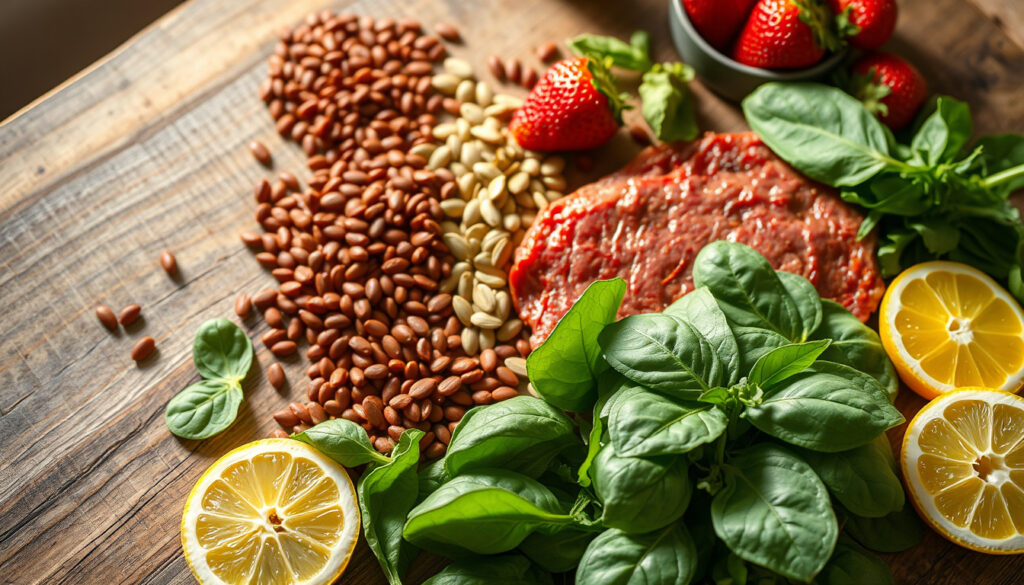
Food High in Iron – Top Sources and Absorption Tips
Iron is an essential mineral that supports energy production, immune function, and oxygen transport throughout the body. Yet many people do not get enough from their diets, increasing the risk of deficiency and anemia. Understanding which foods provide the highest iron content—and how to maximize absorption—can help maintain optimal health through everyday eating.
Both animal and plant sources contain iron, though the body absorbs each type differently. Making informed food choices ensures adequate intake for children, adults, athletes, and pregnant women alike. This guide presents a comprehensive overview of iron-rich foods, organized by category and backed by nutritional data from established health authorities.
What Foods Are Highest in Iron?
Iron content varies significantly between foods. Animal products contain heme iron, which the body absorbs efficiently. Plant sources provide non-heme iron, which requires strategic pairing to optimize uptake. The following overview highlights the most iron-dense options across major food groups.
Top Animal Sources
- Beef liver (6.5 mg per oz)
- Lean beef (2.6 mg per 3 oz)
- Chicken liver (4.2 mg per oz)
- Sardines (2.5 mg per 3 oz)
- Turkey (1.4 mg per 3 oz)
Top Plant Sources
- Natto (15.1 mg per cup)
- Soybeans (9.1 mg per cup)
- Tofu (6.6–13.3 mg per cup)
- White beans (6.6 mg per cup)
- Lentils (6.6 mg per cup)
Heme Iron Sources
- Red meat (highest density)
- Organ meats (liver, kidney)
- Poultry with dark meat
- Seafood (clams, mussels)
- Fish (sardines, tuna)
Non-Heme Iron Sources
- Legumes (all varieties)
- Leafy green vegetables
- Fortified cereals and grains
- Nuts and seeds
- Dried fruits
Key Insights on Iron-Rich Foods
- 15–35% absorption rate for heme iron versus 2–20% for non-heme iron makes animal sources more bioavailable.
- Vegetarians and vegans require approximately 1.8 times the standard RDA due to lower non-heme absorption.
- Natto and fermented soy products offer superior bioavailability among plant sources.
- Cooking methods like soaking, sprouting, and fermenting reduce phytates and improve iron uptake.
- Vitamin C can double non-heme iron absorption when consumed in the same meal.
- Oxalates in raw spinach and chard bind iron; cooking significantly reduces this effect.
- Tea and coffee consumed with meals can inhibit absorption by up to 50%.
| Food | Iron (mg) per Serving | Serving Size | Type |
|---|---|---|---|
| Natto (fermented soy) | 15.1 | 1 cup | Non-Heme |
| Soybeans (raw) | 9.1 | 1 cup | Non-Heme |
| Blackstrap molasses | 7.2 | 2 tbsp | Non-Heme |
| Lentils | 6.6 | 1 cup | Non-Heme |
| White beans | 6.6 | 1 cup | Non-Heme |
| Tofu (firm) | 6.6–13.3 | ½–1 cup | Non-Heme |
| Beef liver | 5.0+ | 3 oz | Heme |
| Chickpeas | 4.7 | 1 cup | Non-Heme |
| Tempeh | 4.5 | 1 cup | Non-Heme |
| Seaweed (dried) | 3.5–5.9 | 30g | Non-Heme |
| Spinach (cooked) | 2.6–6.0 | 1 cup | Non-Heme |
| Pumpkin seeds | 2.3–3.1 | 30g | Non-Heme |
Best Vegetarian and Plant-Based Sources of Iron
Vegetarians and vegans rely entirely on non-heme iron, which occurs naturally in legumes, grains, nuts, seeds, and leafy vegetables. While absorption rates are lower than heme sources, strategic food combinations and preparation methods can compensate effectively. The National Institutes of Health recommends that plant-based eaters consume nearly double the standard amount to achieve equivalent iron status.
Legumes: The Iron Leaders
Legumes consistently rank among the highest iron densities per serving among plant foods. Lentils, white beans, chickpeas, and soy products provide substantial amounts that integrate easily into soups, salads, curries, and spreads. For those exploring diverse cuisines, the Far East Square Food Guide highlights several Southeast Asian dishes featuring iron-rich legumes like tempeh and fermented tofu.
Nuts and Seeds for Consistent Intake
Pumpkin seeds, sesame seeds, chia seeds, and cashews contribute 1–3 mg of iron per 30-gram serving. While modest individually, regular consumption throughout the week accumulates meaningful totals. Tahini, made from sesame seeds, delivers approximately 2.6 mg per tablespoon, making it a practical addition to dressings and sauces.
Fortified Foods and Grains
Fortified breakfast cereals, oatmeal, and bread provide accessible iron for many populations. Cream of Wheat and bran flakes rank among the highest iron-fortified options, sometimes delivering 100% of the daily value per serving. Quinoa and amaranth, ancient pseudo-grains, offer iron alongside complete protein profiles.
Studies published in nutrition journals indicate that fortified cereals can bridge iron gaps for individuals with limited access to diverse whole foods. However, whole-food sources provide additional micronutrients and fiber that fortified products may lack.
Which Fruits and Vegetables Are High in Iron?
Fruits and vegetables contribute iron to daily intake, though generally at lower concentrations than legumes or organ meats. Certain varieties stand out for their iron density and accessibility in everyday cooking.
Leafy Green Vegetables
Spinach, kale, Swiss chard, and collard greens contain notable iron amounts. Cooked spinach provides approximately 2.6–6 mg per cup, while raw spinach offers approximately 0.8 mg per cup. However, oxalates present in these greens bind iron during digestion, reducing bioavailability. Harvard’s Nutrition Source notes that cooking greens significantly reduces oxalate content and improves iron availability.
Dried Fruits
Dried apricots, raisins, prunes, and figs supply concentrated iron due to moisture removal. Half a cup of dried apricots delivers approximately 2.5 mg of iron, making them a portable, shelf-stable option for snacking and baking.
Other Notable Vegetables
Seaweed varieties, including spirulina and kombu, offer exceptional iron density—spirulina contains approximately 4 mg per 10-gram serving. Artichokes, peas, and potatoes provide modest contributions that add up across a varied diet.
Pairing leafy greens with vitamin C-rich foods like bell peppers, citrus, or strawberries dramatically improves non-heme iron uptake. A spinach salad with lemon dressing outperforms spinach alone in iron bioavailability.
Heme vs Non-Heme Iron: Key Differences and Sources
Understanding the distinction between heme and non-heme iron helps prioritize food choices based on dietary patterns and health goals. The World Health Organization identifies iron deficiency as the most common nutritional disorder worldwide, making this distinction practically relevant for billions of people.
Heme Iron: Animal Sources and Absorption
Heme iron originates from hemoglobin and myoglobin in animal tissues. Red meat, poultry liver, fish, and shellfish contain this form exclusively. The body absorbs 15–35% of dietary heme iron, making it highly efficient at restoring iron stores. Beef liver contains approximately 5 mg of iron per 3-ounce serving, while lean ground beef provides approximately 2.6 mg per 3-ounce portion.
Non-Heme Iron: Plant Sources and Bioavailability
Non-heme iron exists in plant foods and fortified products. Absorption rates range from 2–20%, influenced heavily by meal composition and individual factors. Phytates in whole grains, oxalates in greens, and polyphenols in tea all inhibit non-heme uptake to varying degrees. However, vitamin C, meat factors, and fermentation processes can enhance absorption substantially.
Vegetarians, vegans, and individuals with limited animal product consumption should monitor iron status through blood tests. The USDA FoodData Central database provides detailed composition information for those seeking precise tracking of daily iron intake.
How to Boost Iron Absorption from Food
Several evidence-based strategies optimize iron absorption regardless of dietary preference. Applying these principles consistently produces measurable improvements in iron status over time.
Enhancers: Pairing Foods Strategically
Vitamin C stands as the most powerful absorption enhancer for non-heme iron. Consuming citrus fruits, bell peppers, broccoli, strawberries, or kiwi alongside iron-rich plants can double or even triple uptake. A lentil dish with sautéed peppers and a squeeze of lemon demonstrates this principle effectively.
Organic acids like citric and malic acid also support absorption. Adding tomato sauce to beans or squeezing lime over quinoa enhances iron availability through natural acid content.
Inhibitors: Minimizing Their Impact
Phytates in legumes, grains, and nuts bind iron during digestion. Soaking beans overnight before cooking reduces phytate content by up to 50%. Sprouting grains and seeds produces similar benefits by breaking down phytic acid compounds.
Calcium interferes with iron absorption when consumed in large amounts during meals. Individuals taking calcium supplements or drinking milk with iron-rich foods may experience diminished uptake. Separating calcium-rich foods from iron-rich meals by 1–2 hours optimizes absorption.
Tea, coffee, and red wine contain polyphenols that significantly inhibit iron uptake. Avoiding these beverages during meals and waiting 30–60 minutes after eating allows iron absorption to proceed without interference. For those who enjoy these beverages, timing consumption strategically preserves iron bioavailability.
Recommended Daily Allowances by Group
Iron requirements vary considerably across life stages and physiological conditions. The USDA FoodData Central references the following guidelines:
- Adult men (19+): 8 mg/day
- Adult women (19–50): 18 mg/day
- Adult women (51+): 8 mg/day
- Vegetarians/vegans: Up to 1.8x standard RDA (up to 32 mg/day for women of reproductive age)
- Pregnant women: 27 mg/day
- Adolescents (14–18): 11 mg (males), 15 mg (females)
Those following plant-based diets, experiencing heavy menstrual bleeding, or noticing symptoms of fatigue and weakness should consult healthcare providers about serum ferritin and hemoglobin testing. Professional guidance ensures appropriate dietary adjustments or supplementation when needed.
Iron Content Facts vs Variability
Iron content in foods appears straightforward in tables, yet actual values fluctuate based on several factors. Understanding this variability prevents misconceptions and informs realistic dietary planning.
| Established Information | Factors Creating Variability |
|---|---|
| Legumes contain among the highest plant-based iron (6–15 mg per cup) | Soil composition affects iron content in all crops |
| Heme iron absorbs significantly better than non-heme | Cooking methods alter bioavailability (fermentation improves, overcooking may reduce) |
| Vitamin C consistently enhances non-heme uptake | Individual gut health and genetics influence absorption |
| Spinach contains iron but also oxalates that inhibit absorption | Storage time affects nutrient content (fresh produce degrades over time) |
| Fortified cereals reliably deliver standardized iron doses | Personal factors (medications, infections, inflammation) alter iron metabolism |
Why Iron Matters: Deficiency Risks and Benefits
Iron serves critical functions throughout the human body. Hemoglobin, composed partly of iron, transports oxygen from lungs to tissues. Myoglobin, another iron-containing protein, stores oxygen in muscle cells. Iron also supports enzyme production and immune system maintenance.
Iron deficiency develops progressively, beginning with depleted iron stores, progressing to insufficient red blood cell production, and eventually resulting in iron deficiency anemia. Early symptoms include fatigue, weakness, and difficulty concentrating. Advanced deficiency causes shortness of breath, rapid heartbeat, and pale skin.
Populations at elevated risk include menstruating women, pregnant individuals, infants and young children, frequent blood donors, and those with malabsorption conditions. Athletes experience increased iron losses through sweat and foot-strike hemolysis, necessitating higher intake for performance maintenance.
Expert Sources and Data
This article draws upon authoritative nutrition databases and institutional guidelines to ensure accuracy and reliability. The following sources inform the iron content figures and dietary recommendations presented throughout.
“Iron is essential for the synthesis of hemoglobin and myoglobin, and for the proper function of cytochromes, which are involved in electron transport and cellular metabolism.”
— National Institutes of Health, Office of Dietary Supplements
“Iron deficiency is the most common and widespread nutritional disorder in the world. As many as 80% of people may be iron deficient, while 30% may have iron deficiency anemia.”
— World Health Organization
Additional data derives from the USDA FoodData Central, peer-reviewed nutrition journals, and registered dietitian-reviewed online resources. Users seeking personalized dietary guidance should consult qualified healthcare professionals familiar with their individual health status.
Next Steps for Better Iron Intake
Improving iron intake requires practical, sustainable changes to daily eating patterns. Beginning with simple substitutions—such as choosing fortified cereals over refined options or adding lentils to meals—creates meaningful cumulative impact over weeks and months.
Those experiencing persistent fatigue, weakness, or other symptoms potentially related to iron deficiency should seek medical evaluation. A simple blood test confirming iron status guides appropriate interventions, whether dietary adjustments or supplementation under professional supervision.
For individuals exploring diverse culinary traditions, options like the High Tea 1-for-1 Singapore Deals may offer opportunities to sample iron-rich dishes from various cuisines, combining cultural exploration with nutritional awareness.
Frequently Asked Questions
Are eggs high in iron?
Eggs contain moderate iron (approximately 1 mg per large egg), primarily in the yolk. While convenient and nutritious, eggs do not rank among the highest iron sources. Combining eggs with vitamin C-rich vegetables improves the iron absorbed from this protein-rich food.
Is peanut butter high in iron?
Peanut butter provides approximately 0.6 mg of iron per tablespoon, making it a modest but useful contributor to daily iron intake. Regular consumption contributes meaningfully, especially when spread on whole-grain bread alongside vitamin C-rich foods like sliced strawberries.
What breakfast foods are high in iron?
Fortified cereals, oatmeal with nuts and seeds, eggs with spinach, and toast made from iron-fortified bread rank among the most practical breakfast options. Adding a glass of orange juice or sliced kiwi to these meals enhances non-heme iron absorption significantly.
How can I increase iron absorption from plant foods?
Consume vitamin C-rich foods alongside plant-based iron sources. Soak and sprout legumes before cooking. Avoid drinking tea or coffee with meals. Consider fermenting foods like tempeh and sourdough bread. Space calcium supplements away from iron-rich meals.
What is the difference between heme and non-heme iron?
Heme iron comes from animal blood and muscle tissue; it absorbs at rates of 15–35%. Non-heme iron comes from plants and fortified foods; it absorbs at rates of 2–20%. Heme iron is not affected significantly by other dietary compounds, while non-heme absorption varies considerably based on meal composition.
How much iron do I need daily?
Adult men and post-menopausal women need 8 mg daily. Menstruating women need 18 mg daily. Pregnant women need 27 mg daily. Vegetarians and vegans should aim for 1.8 times the standard recommendation to account for lower non-heme bioavailability.
Which nuts have the most iron?
Pumpkin seeds, cashews, and almonds contain the highest iron among nuts. Approximately 30 grams of pumpkin seeds delivers 2–3 mg of iron, while the same portion of cashews provides roughly 1.7 mg. Regular incorporation of these nuts into meals and snacks builds cumulative iron intake.
More related posts
 Chat GPT Studio Ghibli Style: Free AI Images Guide
 Sim Wong Hoo Wife: Why Creative Tech Founder Never Married
 Hong Junyang Boat Noodle Bankruptcy: Singer Declares Bankruptcy After F&B Failure
 Best Knockwurst Near Me: Butchers vs Supermarkets in Ireland
 South Africa Race Card: Tips, Results & Live Streaming
 Wholesale Butterfly Valve Flowork: Factory Supplier
 Best Chili Crab Singapore: Where to Eat & What to Pay
 What to Do in Osaka: Top Attractions, Itineraries & Tips