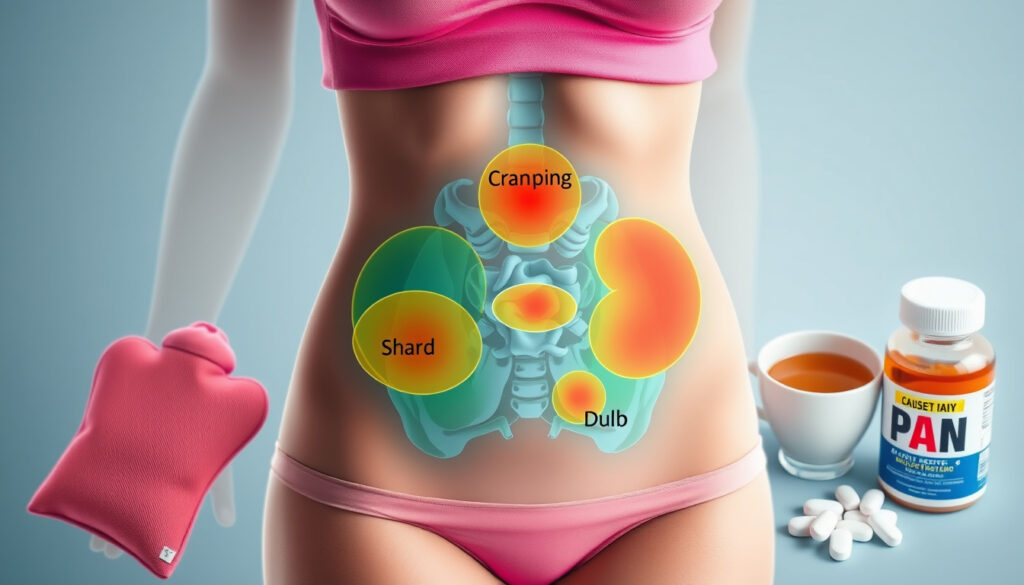
Types of Stomach Pain in Females: Causes & Relief
Few things derail a day faster than a sudden, puzzling stomach ache. For women, abdominal pain can stem from menstrual cycles, ovulation, gas, or conditions needing urgent care — knowing how to read the pain by location, character, and associated symptoms can help decide whether to use a heat pack or head to the emergency room.
Prevalence of abdominal pain in women: About 1 in 4 women experience chronic pelvic pain in their lifetime (American College of Obstetricians and Gynecologists) ·
Emergency visits: Abdominal pain is the #1 reason for ED visits in the U.S., with over 10 million visits annually (CDC) ·
Common types: At least 7 distinct types are frequently cited, including menstrual cramps, ovulation pain, endometriosis, and pelvic inflammatory disease ·
Gas pain duration: Trapped gas typically lasts from minutes to hours; if persistent or severe, medical evaluation is warranted (Harvard Health)
Quick snapshot
- Menstrual cramps affect 50–90% of women of reproductive age (ACOG (American College of Obstetricians and Gynecologists))
- Sudden severe pain in lower right abdomen may signal appendicitis (NHS (UK health authority))
- Home remedies like heat and hydration relieve mild stomach pain (MedlinePlus (U.S. National Library of Medicine))
- The exact cause of a given stomach pain requires a medical diagnosis
- Effectiveness of specific home remedies varies by individual
- The threshold for emergency can differ based on underlying conditions
- The exact cause of a given stomach pain often requires imaging tests beyond the patient’s description
- Pain that persists >48 hours or worsens warrants a call to your doctor (MedlinePlus)
- Trapped gas usually resolves within hours (Harvard Health)
Here are the key facts about stomach pain in females.
| Fact | Value | Source |
|---|---|---|
| Most common cause | Menstrual cramps affect 50–90% of women of reproductive age | ACOG (American College of Obstetricians and Gynecologists) |
| Emergency warning | Sudden severe pain in lower right abdomen is a classic sign of appendicitis | NHS (UK health authority) |
| Self-care duration | Most minor stomach aches resolve within 48 hours with rest and home care | NHS |
| Gas pain duration | Trapped gas typically lasts a few minutes to hours; can persist for days if underlying cause unaddressed | Harvard Health |
How do I know what type of stomach pain I have?
Understanding pain location and character
- Upper abdomen: May involve gallstones (severe pain under right ribs that lasts for hours) (NHS)
- Lower abdomen: Common for menstrual cramps, ovulation, gas, or constipation
- Right lower side: Classic location for appendicitis – seek urgent care (NHS)
- Left lower side: Can be from gas, constipation, ovarian cysts, or diverticulitis (Ubie (health guidance platform))
Common types of stomach pain in females
- Menstrual cramps (dysmenorrhea): Dull, throbbing pain in lower abdomen, can radiate to back and thighs. Affects over half of menstruating women (ACOG).
- Ovulation pain (mittelschmerz): One-sided sharp or jabbing pain mid-cycle, lasts minutes to hours.
- Gas pain: Sharp, stabbing, or cramping pain, often with bloating. Relieved by passing gas or bowel movement.
- Endometriosis: Chronic pelvic pain that can intensify during period, may cause infertility.
- Pelvic inflammatory disease: Dull ache or lower abdominal pain with abnormal vaginal discharge (NHS).
The pattern: Location narrows the list, but character and timing are equally important. Cramping that tracks with your cycle points to menstrual causes; a sudden, localized sharp pain demands a different checklist.
What does gas pain feel like?
Symptoms of trapped gas
- Sharp, stabbing, or cramping pain in the chest, abdomen, or back
- Abdominal bloating and a feeling of fullness
- Excessive flatulence or burping
- Pain that often moves or changes intensity
How to relieve gas pain
- Apply a warm compress or heating pad to the abdomen
- Gentle movement, like walking or yoga twists
- Over-the-counter simethicone products (e.g., Gas-X)
- Avoid carbonated drinks, fatty foods, and swallowing air
The catch: Gas pain can mimic more serious conditions. If it’s accompanied by fever, vomiting, or blood, it’s not just gas – seek medical evaluation.
What diseases start with stomach pain?
Serious conditions that begin with abdominal pain
- Appendicitis: Pain often starts around the belly button then moves to lower right; typically requires surgery (NHS).
- Gallstones: Severe pain in center or right upper abdomen lasting hours (NHS).
- Pancreatitis: Upper abdominal pain that may radiate to the back.
- Ectopic pregnancy: Sudden, sharp pelvic pain with vaginal bleeding; a medical emergency.
- Ovarian torsion: Sudden severe lower abdominal pain, often with nausea.
- Kidney stones: Severe pain radiating to groin, nausea, pain when peeing (NHS).
Red flags for urgent medical attention
- Sudden, severe pain – especially in lower right side (NHS)
- Pain with fever, chills, or shivering (University Hospitals Sussex NHS Foundation Trust)
- Vomiting blood or passing blood in stool/urine (UHS Sussex)
- Inability to pass stool or gas
- Shortness of breath or chest pain (Cleveland Clinic (specialist medical center))
- Heavier-than-normal vaginal bleeding (UHS Sussex)
What this means: When abdominal pain appears with any of these companions, the safest move is to go to an emergency department rather than waiting to see if it passes.
What causes stomach pain that comes and goes in waves?
Cramping vs. waves
- Menstrual cramps: Rhythmic, wave-like lower abdominal pain that coincides with period
- IBS (Irritable Bowel Syndrome): Cramping that comes and goes, often with changes in bowel habits
- Constipation: Intermittent sharp pain, relieved after bowel movement
- Kidney stones: Intense waves of pain radiating from flank to groin (NHS)
- Early labor: In pregnant women, rhythmic abdominal tightening
When to see a doctor
- If wave-like pain persists >24 hours or becomes constant
- If accompanied by fever, vomiting, or bleeding
- If you are pregnant and experience any abdominal pain (NHS)
The distinction: Intermittent pain is often less alarming than constant, progressive pain, but duration and associated symptoms determine urgency.
Wave-like pain in the lower abdomen during pregnancy could be early labor or a complication. Always consult your obstetrician.
How to stop stomach pain in females?
Home remedies for stomach pain
- Heat therapy: Apply a heating pad or warm compress to the lower abdomen
- Hydration: Sip clear fluids – water, herbal teas (peppermint, ginger), electrolyte drinks
- Rest: Lie down in a comfortable position, avoid strenuous activity
- Bland diet: After vomiting subsides, start with small amounts of bland food; avoid dairy, citrus, fatty, fried, or spicy foods (MedlinePlus)
- OTC medications: Antacids may help for upper abdominal pain with heartburn (MedlinePlus); ibuprofen for menstrual cramps (if no contraindications)
What to drink to relieve stomach pain
- Water (sip slowly)
- Peppermint tea (can relax GI muscles)
- Ginger tea (anti-nausea)
- Clear electrolyte drinks (avoid high sugar)
- Avoid: citrus juices, carbonated beverages, caffeine, alcohol (MedlinePlus)
Step-by-step approach
- Identify the location and character of pain.
- If mild, apply heat and rest in a comfortable position.
- Sip clear fluids gradually — water, peppermint or ginger tea.
- Avoid heavy meals, carbonated drinks, and dairy for 24 hours.
- If no improvement in 24–48 hours or pain worsens, consult a healthcare professional.
For women, the trade-off: Home remedies work well for mild cramps or gas, but if the pain fails to improve in 24–48 hours, or becomes more severe, seek medical advice (MedlinePlus).
For menstrual cramps, a combination of heat, ibuprofen, and rest usually brings relief within a day. For gas pain, movement and simethicone are the first-line tools. But never take pain medication without knowing the cause – it can mask a surgical emergency.
When in doubt, always err on the side of caution and consult a healthcare professional.
What stomach pain should you not ignore?
Red-flag symptoms
- Sudden, severe pain that feels like the worst you’ve ever had
- Pain with a high fever (≥101°F or 38.3°C) (Cleveland Clinic)
- Nonstop vomiting or inability to keep down liquids (MedlinePlus)
- Blood in vomit, stool, or urine (UHS Sussex)
- Swollen, tender belly or jaundice (Cleveland Clinic)
- Shortness of breath, chest pain, or fainting (Providence (healthcare network))
- Inability to pee or pass gas
- Unusual vaginal bleeding or discharge (NHS)
When to seek immediate medical care
- If you have any of the above red flags, go to an emergency department immediately
- If you are pregnant and have abdominal pain with bleeding or fever, seek urgent care (NHS)
- If you have a positive pregnancy test and sudden pelvic pain, it could be ectopic pregnancy – a life-threatening emergency
The reason: Conditions like appendicitis, ovarian torsion, and ectopic pregnancy progress rapidly. The window for safe treatment can be narrow. When in doubt, let a doctor rule out the worst.
Compare the different types of stomach pain by location and character.
| Type | Common location | Character | Typical duration | Female-specific note |
|---|---|---|---|---|
| Menstrual cramps | Lower abdomen (center) | Dull, throbbing, cramping | 1–3 days during period | Can radiate to back and thighs; OTC NSAIDs help |
| Ovulation pain | One side (lower abdomen) | Sharp, jabbing | Minutes to hours | Occurs mid-cycle (day 12–16); benign |
| Gas pain | Anywhere (upper/lower) | Sharp, stabbing, cramping | Minutes to hours | Often with bloating; relieved by passing gas |
| Appendicitis | Starts around navel, moves to lower right | Constant, severe | Worsens over hours | Requires surgery; do not delay |
| Endometriosis | Lower abdomen (widespread) | Chronic aching, intensifies during period | Ongoing | May cause infertility; often diagnosed late |
Five types, one pattern: Frequent, mild symptoms like cramps and gas are normal – but any pain that is sudden, severe, or paired with fever deserves a workup.
For women experiencing sudden, severe abdominal pain, waiting too long can lead to complications like a ruptured appendix. Prompt evaluation is crucial.
“We advise medical review for abdominal pain with persistent fever, nonstop vomiting, blood in stool or urine, belly swelling or tenderness, jaundice, or shortness of breath.”
“Seek urgent medical attention if you have sudden severe abdominal pain, especially when it’s in the lower right side.”
– NHS (UK health authority)
“If you bleed much more heavily than usual from the vagina, or if you cannot pass urine or stool, you should be seen urgently.”
– University Hospitals Sussex NHS Foundation Trust (emergency department leaflet)
For women, the decisive factor is context: pain that matches your known cycle is usually benign, but pain that breaks your pattern – especially if it’s sudden, sharp, or accompanied by bleeding – demands immediate evaluation. The safest rule: if you’re unsure, get checked. A few hours in the ER are far better than a ruptured appendix or a missed ectopic pregnancy.
ubiehealth.com, ubiehealth.com, ubiehealth.com, ubiehealth.com, womansworld.com, rightdecisions.scot.nhs.uk
Frequently asked questions
What are the most common causes of stomach pain in females?
Menstrual cramps, ovulation pain, gas, constipation, and endometriosis are the most frequent causes. Less common but serious causes include appendicitis, ovarian cysts, and pelvic inflammatory disease.
When should a woman see a doctor for stomach pain?
If the pain is severe, sudden, or accompanied by fever, vomiting, blood, fainting, or abnormal vaginal bleeding, seek medical care immediately. Also if it persists for more than 48 hours or worsens (MedlinePlus).
Can stomach pain be a sign of pregnancy?
Yes. Implantation cramping can occur early in pregnancy. However, sudden severe pain with a positive pregnancy test could indicate ectopic pregnancy, which is a medical emergency (NHS).
What is the difference between gas pain and appendicitis pain?
Gas pain tends to be sharp or cramping and moves, often relieved by passing gas. Appendicitis pain starts near the navel and shifts to the lower right abdomen, becoming constant and severe. If you suspect appendicitis, do not wait – go to an ER (NHS).
How to differentiate between period pain and other stomach pain?
Period pain is typically a dull, throbbing cramp in the lower abdomen that starts 1–2 days before your period and lasts 2–4 days. If the pain is one-sided, or occurs at a different time in your cycle, consider ovulation or another cause. Keep a symptom diary to help your doctor.
What home remedies can help with stomach pain in females?
Heat packs, rest, clear fluids (water, peppermint tea), bland foods, and OTC antacids (for heartburn) or ibuprofen (for cramps) are safe first steps. Avoid dairy, fatty foods, and carbonated drinks until you feel better (MedlinePlus).
More related posts
 Pepper Steak Near Me: Cuts, Health, and Where to Find It
 AZ Alkmaar vs Tottenham Lineups: Confirmed Starting XI
 20000 Won to SGD: Live Rate, Fees & Best Provider
 Old Chang Kee Curry Puff: Price, Calories, Reheating & Storage Guide
 Tapas,24 Singapore: Owner, Dog-Friendly Menu & Reviews
 Moving Season 2: Confirmed? Release Date, Cast & Details
 Sim Wong Hoo Wife: Why Creative Tech Founder Never Married
 Gain City Climate Voucher: How to Claim & Use $400