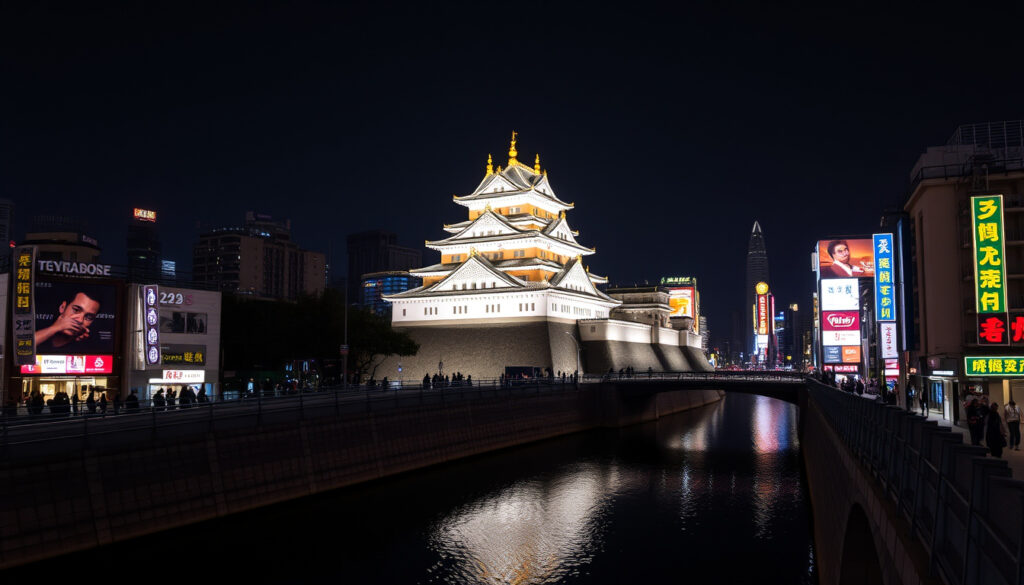
What to Do in Osaka: Top Attractions, Itineraries & Tips
Osaka hits you with neon at Dotonbori and then, a ten-minute walk away, drops you into the quiet grounds of a 1,400-year-old temple. That blend of electric energy and deep history is why travelers keep coming back. This guide layers the headline attractions with the kind of local shortcuts — from Reddit threads and family-travel veterans — that help you spend less time deciding and more time exploring.
Population: 2.69 million (Osaka city, 2020) · Top attraction: Osaka Castle – over 2.5 million visitors annually · Typical visit duration: 3 days recommended for first-timers · Best travel months: March–May and October–November · Major airport: Kansai International Airport (KIX)
Quick snapshot
- Osaka Castle is a reconstructed landmark with a museum (Japan National Tourism Organization (official tourism board))
- Dotonbori is the main entertainment and dining hub (Inside Osaka (local travel guide))
- Exact number of days needed varies by travel style (Reddit r/OsakaTravel (traveler community))
- Safety perception of specific blocks like Tobita Shinchi may shift over time (Reddit r/OsakaTravel (traveler community))
- No strict timeline; flexibility is the norm for Osaka visits
- Use the 3-day itinerary below to cover the core districts
The data below gives you the essentials for itinerary planning.
| Label | Value |
|---|---|
| Population | 2.69 million (Osaka city, 2020) |
| Language | Japanese (English signage limited in some areas) |
| Currency | Japanese Yen (JPY) |
| Time Zone | Japan Standard Time (JST, UTC+9) |
| Best Time to Visit | March–May (cherry blossoms), October–November (autumn colors) |
| Major Airport | Kansai International Airport (KIX) |
What are the top 10 things to do in Osaka?
- Osaka Castle – reconstructed keep with museum and park (JNTO (official tourism authority))
- Dotonbori – neon-lit entertainment and street-food district
- Universal Studios Japan – major theme park with Super Nintendo World
- Osaka Aquarium Kaiyukan – one of the world’s largest aquariums
- Shitennoji Temple – one of Japan’s oldest Buddhist temples (Reddit r/JapanTravelTips (travel community recommendation))
- Sumiyoshi Taisha – ancient Shinto shrine with unique architecture
- Shinsekai – retro neighborhood with Tsutenkaku Tower
- Kuromon Market – known as “Osaka’s Kitchen” for fresh seafood and street eats
- Osaka Tenmangu Shrine – historic shrine with lively market on the 25th
- Mino Falls – scenic waterfall about 30 minutes from central Osaka
What should I not miss in Osaka?
Two spots rise above the rest. Osaka Castle draws over 2.5 million visitors annually (JNTO) and its park offers a calm escape. Dotonbori, described by Inside Osaka (local travel guide) as the heart of the city’s entertainment scene, is where you go for street food like takoyaki and okonomiyaki. The Umeda Sky Building gives a panoramic view that rivals any in the city.
What is Osaka best known for?
Osaka’s nickname is “Japan’s kitchen” — GetYourGuide (tour operator listing) notes the city’s food scene is a top draw. The city also anchors a major theme-park hub (Universal Studios Japan) and sits on a network that makes day trips to Nara and Kyoto effortless.
First-time visitors who try to squeeze all ten attractions into 48 hours often end up exhausted. The smarter play: pick two or three per day and leave room for spontaneous stops — that’s where Osaka’s real character shows.
Is 3 days in Osaka enough?
- Day 1 – Dotonbori, Osaka Castle Park, Shinsekai
- Day 2 – Universal Studios Japan or Osaka Aquarium
- Day 3 – Kuromon Market, Shinsaibashi shopping, evening in Namba
According to Learners and Makers (family travel publisher), three days give most first-time visitors enough time to cover the core districts without rushing. Families with children often use Osaka as a base for day trips to Nara and Kyoto, extending the practical reach of that third day.
What can you do in Osaka in one day?
A one-day whirlwind: start at Osaka Castle early, head to Kuromon Market for lunch, walk through Dotonbori in the afternoon, and end at Shinsekai for dinner. It’s tight but doable — Inside Osaka calls this the “core loop” for a single day.
Which month to avoid Osaka?
- August – peak heat and humidity (often 35°C+)
- January–February – coldest months, fewer outdoor options
- March–April – cherry blossom season, ideal but crowded
- October–November – mild weather and autumn colors
Inside Osaka points out that summer (especially August) can be uncomfortable for outdoor sightseeing, while winter (January–February) is cold but still manageable. Spring and autumn remain the sweet spots.
What are the best things to do in Osaka during winter?
- Winter illuminations (e.g., Osaka Castle Park light-up)
- Indoor attractions: Osaka Aquarium, shopping arcades
- Hot springs (onsen) in nearby areas like Nara or Arima
- Seasonal food: oden, hot pot dishes
Peak seasons (cherry blossoms, autumn) mean higher hotel prices and more crowds. If you can handle some chill, January offers lower rates and shorter lines at major attractions — the trade-off is missing outdoor festivals.
What part of Osaka to avoid?
- Shinsekai – mixed reputation; stick to main streets at night
- Tobita Shinchi – unregulated bars and adult entertainment; best skipped
- General safety – Osaka is very safe for tourists (Inside Osaka (local travel guide))
Osaka’s crime rate is low. Learners and Makers describes the city as enjoyable, safe, and affordable. Stick to well-lit areas like Namba, Umeda, and Shinsaibashi after dark. The only zone that draws consistent caution from locals is Tobita Shinchi, a small red-light district with unregulated bars.
Shinsekai has a retro charm during the day, but some alleys feel sketchy after 10 p.m. Use street-savvy judgment — the rest of Osaka is as safe as any major Japanese city.
What is the 5 minute rule in Japan?
The “5-minute rule” is a punctuality norm: arrive at least five minutes early for guided tours, reserved activities, and meetings. JNTO (national tourism authority) advises travelers to factor this into planning — trains, for example, depart on the dot. This extends to restaurant reservations and even public bus schedules. Culturally, it signals respect for the other person’s time.
- Trains – arrive at platform 1-2 minutes before departure time
- Tours – check in 5 minutes early
- Bowing – standard greeting, deeper bow shows more respect
- Shoes off – always remove shoes before entering someone’s home
What are the best shopping areas in Osaka?
- Shinsaibashi – endless arcade with global brands and boutiques
- Dotonbori – souvenir shops and street-side stalls
- Umeda – Grand Front Osaka and Hankyu Department Store for upscale shopping
- Den Den Town – electronics, anime, and second-hand games
- America-mura – vintage clothing and youth culture
GetYourGuide notes that Shinsaibashi and Dotonbori are the most frequented shopping zones. For niche finds, Den Den Town rivals Tokyo’s Akihabara in density of electronics and pop-culture stores.
What are the best nightlife spots in Osaka?
- Namba – bar-hopping hub with izakayas and clubs
- Dotonbori – neon-lit food and drink strip
- Umeda – more upscale izakayas and cocktail bars
- Shinsekai – retro bars with a local feel
Namba and Dotonbori form the core. Inside Osaka recommends exploring the side streets off Dotonbori for quieter, authentic local pubs.
Confirmed facts vs. what’s unclear
Confirmed facts
- Osaka Castle is a reconstructed landmark with a museum inside
- Dotonbori is the main entertainment district with neon signs and street food
- Universal Studios Japan is a major theme park in Osaka
- Osaka is generally safe for tourists (Inside Osaka)
- Expo ’70 Commemorative Park is a family-friendly open space (Universidad de Sevilla International blog (academic travel resource))
What’s unclear
- Exact number of days needed varies by travel style and interests (Reddit r/OsakaTravel)
- Safety perception of specific blocks like Tobita Shinchi may change over time
- Whether the “1-3 rule” (photography etiquette) applies consistently
- Availability of English menus in smaller restaurants is inconsistent
“Dotonbori is the heart of Osaka’s entertainment and dining scene.”
— Inside Osaka (local travel guide)
“If you want to eat where locals eat, walk two streets back from Dotonbori’s main canal. The queues are shorter and the food is better.”
— Local resident testimonial on Reddit r/OsakaTravel (community advice thread)
“Osaka is enjoyable, safe, and affordable on a family budget.”
“The quiet old-town area near Shitennoji feels like Edo — wooden houses, craft shops, tea, and ceramics.”
— Recommendation from Reddit r/JapanTravelTips (hidden gems thread)
Summary
Osaka is a city of dualities — neon and temple, market and castle, speed and stillness. Three days lets you taste both worlds without burnout. For the first-time visitor from Singapore or Southeast Asia, the choice is clear: pick spring or autumn, use the 3-day plan above, and spend your evenings in Namba rather than chasing every listed attraction. The real Osaka reveals itself in the side streets.
For a comprehensive overview of must-see attractions and local favorites, check out the best things to do in Osaka.
Frequently asked questions
What are the best things to do in Osaka with kids?
Osaka Castle Park, the Tempozan waterfront area, and Expo ’70 Commemorative Park offer open space. Bornelund near Umeda is a soft-play spot recommended by families (Reddit r/JapanTravel). Universal Studios Japan and Osaka Aquarium are also top picks.
What do Reddit users recommend in Osaka?
Reddit communities frequently suggest skipping the main Dotonbori canal for its side streets, visiting Shitennoji Temple, and exploring the quiet old-town area near Kitahorie (r/JapanTravelTips).
Can I use credit cards in Osaka?
Major establishments (hotels, department stores, chain restaurants) accept cards. Smaller shops and street food stalls often prefer cash. Carry enough yen for daily spending.
Is Osaka safe for solo travelers?
Yes. Osaka’s crime rate is low (Inside Osaka). Solo travelers should take standard precautions at night, especially in Shinsekai and Tobita Shinchi.
What is the best way to get around Osaka?
The subway and train networks are efficient. An IC card (ICOCA or Suica) works across all systems. Walking is often the best way to explore districts like Namba and Shinsaibashi.
Do I need a visa for Osaka?
Visa requirements depend on your nationality. Many countries (including Singapore, U.S., U.K.) have visa-waiver agreements for short tourist stays. Always check with the JNTO or your local Japanese embassy.
What local dishes should I try in Osaka?
Takoyaki (octopus balls), okonomiyaki (savory pancake), kushikatsu (fried skewers), and udon. Kuromon Market is ideal for sampling multiple dishes.
Related reading: Japan Cherry Blossom Forecast 2026: Affordable Season Guide · Convert SGD to Yen: Live Exchange Rate & Guide for 2026
More related posts
 How to Add Printer to Mac: 4 Ways + Fixes
 Redmi Pad SE 8.7 Review: Is It Any Good? Specs, Price, and More
 The Good Beer Company: Ownership, Locations, and Menu Guide
 United Overseas Bank Customer Service: Complete Contact Guide
 Best Chili Crab Singapore: Where to Eat & What to Pay
 1 for 1 Buffet – Best Singapore Deals 2025
 PDS International Pte Ltd: Profile, Reviews, and PPE Services
 Man City vs Tottenham: Head-to-Head, Fans & Key Incidents